Roof cladding is the outer layer that protects a building from rain, sun and wind. The right choice directly affects roof life, maintenance needs and even energy consumption. Although many options exist, the four systems most used on residential, commercial and industrial buildings are tiled roofs, trapezoidal sheet, standing seam roofs and sandwich panels.
Tiled Roofs and Trapezoidal Sheet
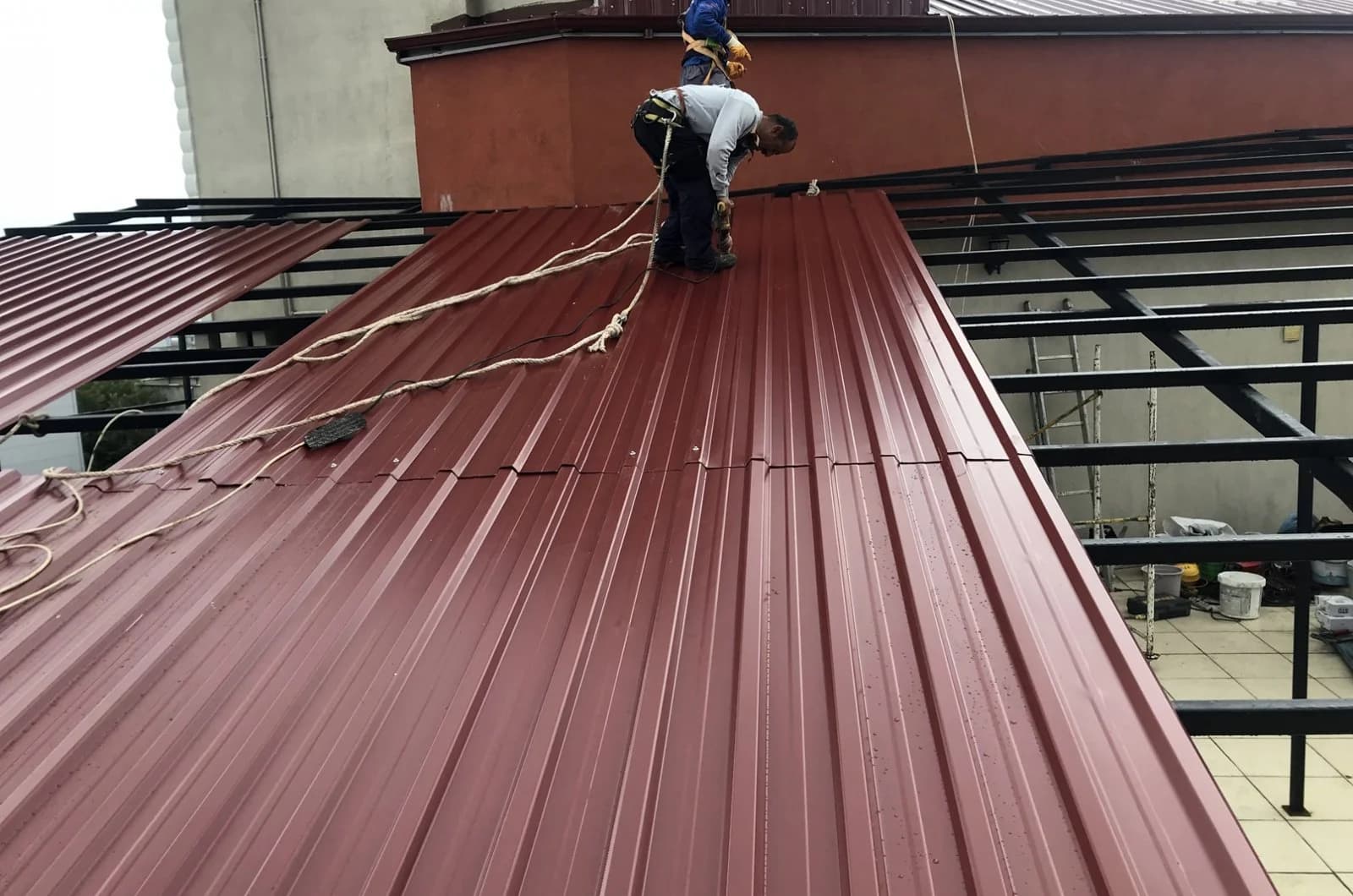
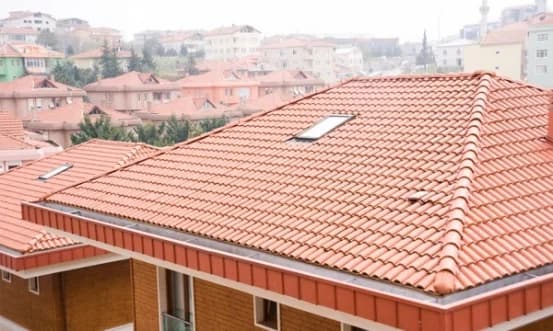
A tiled roof stands out on houses and villas for its traditional look and long life. Clay and concrete tiles are available; installed at the right pitch over a waterproofing membrane they last for decades. Their weight means the structure must be designed for it. Trapezoidal sheet is a light, quick-to-install and economical solution, common on warehouses, factories, workshops and outbuildings; painted and galvanised versions resist corrosion, but on its own it provides no thermal or acoustic insulation.
Standing Seam Roofs and Sandwich Panels
A standing seam roof uses concealed fixings, leaving no screw holes in the outer surface. This is a major advantage for watertightness and gives a clean look on low-pitch, modern buildings. Sandwich panels are a ready-made system with polyurethane or mineral wool between two metal skins. Because they solve insulation and cladding in one step, they are ideal for cold stores, factories and businesses where energy efficiency matters.
What Affects Roof Cladding Prices?
The main factors that drive roof cladding prices are the material type and thickness, roof area and pitch, the complexity of the roof geometry, whether existing cladding must be removed, and insulation requirements. When carrying out roof cladding replacement on an ageing roof, checking the condition of the existing structure avoids a second bill later. At ESR Group we weigh cladding options against use and budget on every project and provide an itemised quotation after the survey.